Saturday, July 22, 2028
Total solar eclipse
88% of the Sun covered here
- Begins
- 10:58 AM
- Maximum
- 12:32 PM
- Ends
- 2:03 PM
- Sun
- 57° up, north
 Star & Planet Finder
Eclipses›Australia›Darwin
On Friday, July 7, 2028, Darwin sees the partial lunar eclipse from start to end, deepest at 3:49 AM. Below: every eclipse Darwin sees to 2040, in Darwin time.
Next from Darwin
Drawing the eclipse…
Drawing the eclipse…
Times are Darwin’s own. Drag the globe to turn it; the slider moves the eclipse.
6 to 2040. Each drawing shows the Sun at the height of the eclipse as it will look from Darwin, the right way up. Never look at the Sun without eclipse glasses.
Saturday, July 22, 2028
88% of the Sun covered here
Monday, November 25, 2030
29% of the Sun covered here
Wednesday, May 21, 2031
64% of the Sun covered here
The Sun sets with the eclipse still under way.
Saturday, March 10, 2035
1% of the Sun covered here
The Sun rises with the eclipse already under way.
Monday, July 13, 2037
64% of the Sun covered here
Sunday, December 26, 2038
44% of the Sun covered here
13 to 2040 in which the Earth’s dark shadow crosses the Moon. Safe to watch with the naked eye. Each drawing shows the Moon in the shadow at the best moment from Darwin.
Friday, July 7, 2028
Seen from start to end
Monday, January 1, 2029
Seen from start to end
Sunday, June 16, 2030
Seen from start to end
Monday, April 26, 2032
Seen from start to end
Tuesday, October 19, 2032
Seen from start to end
Friday, April 15, 2033
Seen from start to end
Saturday, October 8, 2033
Seen from start to end
Tuesday, February 12, 2036
The Moon sets eclipsed, totality missed
The Moon sets at about 6:45 AM with the eclipse still under way.
Saturday, January 31, 2037
Seen from start to end
Tuesday, June 7, 2039
Seen from start to end
Thursday, December 1, 2039
Seen from start to end
Saturday, May 26, 2040
Seen from start to end
Monday, November 19, 2040
The Moon sets eclipsed, totality seen
The Moon sets at about 6:16 AM with the eclipse still under way.
The Moon passes through the Earth’s faint outer shadow only. Listed for completeness: most people notice nothing.
| Date | Deepest | Moon up for | Moon |
|---|---|---|---|
| July 19, 2027 | 1:32 AM | All of it | 76° up, southwest |
| December 10, 2030 | 6:15 AM | 38 min | On the horizon, west-northwest |
| June 5, 2031 | 9:14 PM | All of it | 38° up, east-southeast |
| October 30, 2031 | 6:46 PM | 25 min | On the horizon, east-northeast |
| April 4, 2034 | 4:35 AM | All of it | 33° up, west |
| February 22, 2035 | 7:08 PM | 1 h 34 min | On the horizon, east |
| July 16, 2038 | 9:04 PM | All of it | 34° up, east-southeast |
| December 12, 2038 | 3:13 AM | All of it | 38° up, northwest |
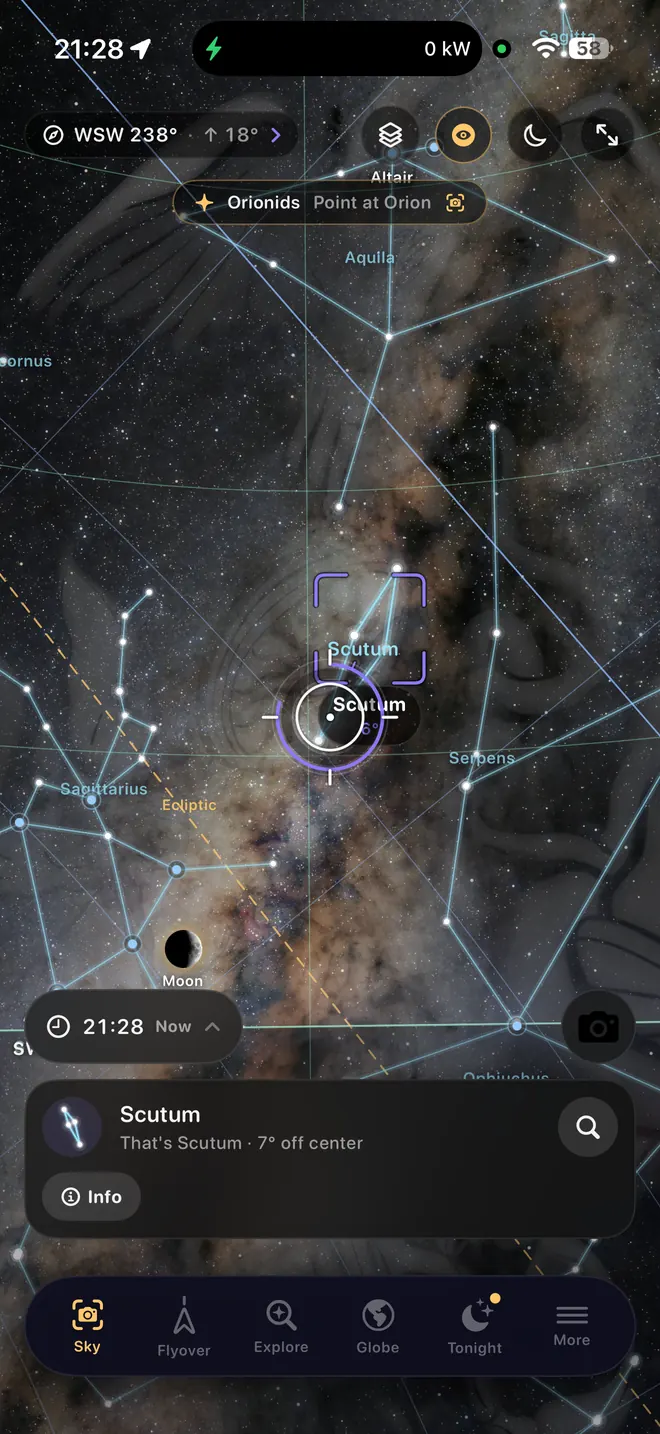
With the app
This page tells you when to look. The app tells you again when it matters, and shows you where in your own sky.
On Saturday, July 22, 2028, Darwin sees a partial eclipse of the Sun: 88% of its disc is covered at 12:32 PM. The total solar eclipse itself passes elsewhere. Times are Darwin’s own.
The path of a total solar eclipse does not cross Darwin between now and the end of 2040. The most the city gets is on July 22, 2028, when 88% of the Sun is covered.
On Friday, July 7, 2028, Darwin sees the partial lunar eclipse from start to end, deepest at 3:49 AM.
On Monday, January 1, 2029, Darwin sees the total lunar eclipse from start to end, deepest at 2:21 AM. The Moon is wholly in the Earth’s shadow from 1:45 AM to 2:58 AM.