Eclipses

Every solar and lunar eclipse to 2040

Where each one is seen and when, on a globe and a map you can play through from the first minute to the last. Pick a city below for the times on its own clock and how much of the eclipse it gets.

Next up

Annular solar eclipse of February 6, 2027

Annular along a path across the Pacific, South America, the Atlantic and Africa; partial over Africa, South America and Antarctica.

Drawing the eclipse…

Moon’s shadow

Drawing the eclipse…

Times are in your own time zone. Drag the globe to turn it; the slider moves the eclipse.

Times, facts and cities for this eclipse

Solar eclipses

The Moon passes in front of the Sun. A total or annular eclipse is seen from a narrow path only; a partial one from a wide region around it. Dates are those at Greenwich.

DateEclipseWhere it is seen
Feb 6, 2027Annular solar eclipseAnnular along a path across the Pacific, South America, the Atlantic and Africa; partial over Africa, South America and Antarctica
Aug 2, 2027Total solar eclipseTotal along a path across the Atlantic, Africa, the Mediterranean, the Red Sea, the Middle East, the Arabian Sea and the Indian Ocean; partial over Africa, Europe, South Asia, Greenland and the Middle East
Jan 26, 2028Annular solar eclipseAnnular along a path across the Pacific, South America, the Atlantic, Africa, Europe and the Mediterranean; partial over South America, North America, Africa, Europe and Greenland
Jul 22, 2028Total solar eclipseTotal along a path across the Indian Ocean, Southeast Asia, Australia, the Tasman Sea, New Zealand and the Pacific; partial over Australia, Southeast Asia, South Asia and New Zealand
Jan 14, 2029Partial solar eclipsePartial over North America, Greenland, the Gulf of Mexico, Hudson Bay and the Caribbean
Jun 12, 2029Partial solar eclipsePartial over Greenland, the Arctic, the Baltic Sea and the North Sea
Jul 11, 2029Partial solar eclipsePartial over Antarctica
Dec 5, 2029Partial solar eclipsePartial over Antarctica
Jun 1, 2030Annular solar eclipseAnnular along a path across Africa, the Mediterranean, the Black Sea, Europe, Siberia, East Asia, the Sea of Japan, Japan and the Pacific; partial over Africa, Siberia, East Asia, Europe and South Asia
Nov 25, 2030Total solar eclipseTotal along a path across Africa, the Indian Ocean, Australia and the Coral Sea; partial over Africa, Australia, New Zealand and Antarctica
May 21, 2031Annular solar eclipseAnnular along a path across Africa, the Indian Ocean, South Asia, the Bay of Bengal, Southeast Asia and the South China Sea; partial over Africa, Southeast Asia, South Asia, Australia and the Middle East
Nov 14, 2031Hybrid solar eclipseTotal or annular along a path across the Pacific and North America; partial over North America, the Pacific, the Gulf of Mexico, the Caribbean and the Bering Sea
May 9, 2032Annular solar eclipseAnnular along a path across Antarctica, the Atlantic and the Indian Ocean; partial over Africa, South America and the Atlantic
Nov 3, 2032Partial solar eclipsePartial over East Asia, Siberia, Europe, South Asia and Southeast Asia
Mar 30, 2033Total solar eclipseTotal along a path across the Bering Sea, North America and the Arctic; partial over North America, Greenland and the Arctic
Sep 23, 2033Partial solar eclipsePartial over South America and Antarctica
Mar 20, 2034Total solar eclipseTotal along a path across South America, the Atlantic, Africa, the Red Sea, the Middle East, the Persian Gulf and South Asia; partial over Africa, South Asia, Europe, East Asia and Siberia
Sep 12, 2034Annular solar eclipseAnnular along a path across the Pacific, South America and the Atlantic; partial over South America, the Pacific, the Atlantic, the Caribbean and the Gulf of Mexico
Mar 9, 2035Annular solar eclipseAnnular along a path across Australia, the Tasman Sea, New Zealand and the Pacific; partial over Australia, New Zealand and Antarctica
Sep 2, 2035Total solar eclipseTotal along a path across East Asia, the Sea of Japan, Japan and the Pacific; partial over Siberia, East Asia, South Asia, Southeast Asia and Japan
Feb 27, 2036Partial solar eclipsePartial over New Zealand, Antarctica and the Tasman Sea
Jul 23, 2036Partial solar eclipsePartial over Antarctica
Aug 21, 2036Partial solar eclipsePartial over Europe, Greenland and the Arctic
Jan 16, 2037Partial solar eclipsePartial over Europe, the Middle East, the Mediterranean, the Baltic Sea and the Red Sea
Jul 13, 2037Total solar eclipseTotal along a path across the Indian Ocean, Australia, the Coral Sea, the Pacific, the Tasman Sea and New Zealand; partial over Australia, Southeast Asia and New Zealand
Jan 5, 2038Annular solar eclipseAnnular along a path across the Caribbean, North America, South America, the Atlantic and Africa; partial over Africa, South America, North America and Europe
Jul 2, 2038Annular solar eclipseAnnular along a path across the Pacific, South America, North America, the Caribbean, the Atlantic and Africa; partial over Africa, South America, North America, Europe and the Middle East
Dec 26, 2038Total solar eclipseTotal along a path across the Indian Ocean, Australia, the Tasman Sea, New Zealand and the Pacific; partial over Australia, Southeast Asia, New Zealand and Antarctica
Jun 21, 2039Annular solar eclipseAnnular along a path across the Pacific, the Bering Sea, North America, the Arctic, Europe and the Baltic Sea; partial over North America, Europe, Siberia, Greenland and the Arctic
Dec 15, 2039Total solar eclipseTotal along a path across the Pacific and Antarctica; partial over Antarctica
May 11, 2040Partial solar eclipsePartial over Australia, New Zealand, the Tasman Sea and the Coral Sea
Nov 4, 2040Partial solar eclipsePartial over North America, Greenland, the Caribbean, the Gulf of Mexico and Hudson Bay

Lunar eclipses

The Moon passes through the Earth’s shadow. Everyone who has the Moon in the sky sees it, and it is safe to watch with the naked eye. A penumbral eclipse is too slight for most people to notice.

DateEclipseWhere it is seen
Feb 20, 2027Penumbral lunar eclipseFrom start to end over Africa, Europe, South Asia, Siberia and Greenland; in part over South America, North America, East Asia, Southeast Asia and Australia
Jul 18, 2027Penumbral lunar eclipseFrom start to end over Australia, East Asia, Southeast Asia, Siberia and South Asia; in part over the Red Sea and the Caspian Sea
Aug 17, 2027Penumbral lunar eclipseFrom start to end over North America, South America and Antarctica; in part over Africa, Australia, Siberia, Greenland and New Zealand
Jan 12, 2028Partial lunar eclipseFrom start to end over South America, North America, Africa, Europe and Greenland; in part over the Red Sea, the Bering Sea and the Caspian Sea
Jul 6, 2028Partial lunar eclipseFrom start to end over Africa, Australia, Southeast Asia, East Asia and South Asia; in part over Siberia, Europe and Japan
Dec 31, 2028Total lunar eclipseFrom start to end over Australia, Siberia, East Asia, Southeast Asia and South Asia; in part over Africa, Greenland and New Zealand
Jun 26, 2029Total lunar eclipseFrom start to end over South America, Africa, North America, Greenland and Antarctica; in part over Europe and New Zealand
Dec 20, 2029Total lunar eclipseFrom start to end over Africa, Europe, South Asia, Siberia and East Asia; in part over South America, North America and Southeast Asia
Jun 15, 2030Partial lunar eclipseFrom start to end over Africa, Australia, Southeast Asia, East Asia and South Asia; in part over Siberia, Europe, Japan and New Zealand
Dec 9, 2030Penumbral lunar eclipseFrom start to end over Africa, Europe, South Asia, Siberia and Greenland; in part over South America, North America, Southeast Asia, Australia and East Asia
May 7, 2031Penumbral lunar eclipseFrom start to end over South America, North America, Africa, Greenland and Antarctica; in part over Europe and New Zealand
Jun 5, 2031Penumbral lunar eclipseFrom start to end over Australia, Southeast Asia, Siberia, Japan and New Zealand; in part over South America, North America and East Asia
Oct 30, 2031Penumbral lunar eclipseFrom start to end over North America, South America, Greenland and the Arctic; in part over Africa, Australia, Southeast Asia and Siberia
Apr 25, 2032Total lunar eclipseFrom start to end over Australia, Southeast Asia, East Asia, Siberia and South Asia; in part over Africa, Europe and the Middle East
Oct 18, 2032Total lunar eclipseFrom start to end over Africa, East Asia, Southeast Asia, South Asia and Europe; in part over Australia, Siberia, Greenland and New Zealand
Apr 14, 2033Total lunar eclipseFrom start to end over Africa, Australia, East Asia, South Asia and Southeast Asia; in part over South America, Siberia, Europe and Japan
Oct 8, 2033Total lunar eclipseFrom start to end over North America, Siberia, Australia, Southeast Asia and Japan; in part over South America and East Asia
Apr 3, 2034Penumbral lunar eclipseFrom start to end over Africa, East Asia, South Asia, Australia and Southeast Asia; in part over South America and Siberia
Sep 28, 2034Partial lunar eclipseFrom start to end over Africa, South America, North America, Europe and Greenland; in part over the Middle East, the Persian Gulf and the Caspian Sea
Feb 22, 2035Penumbral lunar eclipseFrom start to end over North America, Greenland and the Arctic; in part over South America, Australia, East Asia, Southeast Asia and Siberia
Aug 19, 2035Partial lunar eclipseFrom start to end over Africa, South America, North America, Europe and Greenland; in part over South Asia and the Middle East
Feb 11, 2036Total lunar eclipseFrom start to end over Africa, Europe, South Asia, East Asia and Siberia; in part over South America, North America, Southeast Asia and Australia
Aug 7, 2036Total lunar eclipseFrom start to end over South America, Africa, North America, Greenland and Antarctica; in part over Europe and the Middle East
Jan 31, 2037Total lunar eclipseFrom start to end over Australia, Siberia, East Asia, Southeast Asia and South Asia; in part over North America, Europe, Greenland and the Middle East
Jul 27, 2037Partial lunar eclipseFrom start to end over South America, North America, Africa, Greenland and Antarctica; in part over Europe and New Zealand
Jan 21, 2038Penumbral lunar eclipseFrom start to end over South America, North America, Africa, Europe and Greenland; in part over Siberia, South Asia and the Middle East
Jun 17, 2038Penumbral lunar eclipseFrom start to end over Africa, South America, North America, Greenland and Antarctica; in part over Europe and the Middle East
Jul 16, 2038Penumbral lunar eclipseFrom start to end over Australia, Southeast Asia, Japan, New Zealand and Antarctica; in part over South America, North America, East Asia and Siberia
Dec 11, 2038Penumbral lunar eclipseFrom start to end over Siberia, East Asia, Southeast Asia, Australia and South Asia; in part over Africa, Greenland and New Zealand
Jun 6, 2039Partial lunar eclipseFrom start to end over Africa, Australia, Southeast Asia, South Asia and East Asia; in part over South America, Siberia, Europe and Japan
Nov 30, 2039Partial lunar eclipseFrom start to end over Australia, Siberia, East Asia, Southeast Asia and South Asia; in part over Africa, Greenland and New Zealand
May 26, 2040Total lunar eclipseFrom start to end over Australia, Southeast Asia, Siberia, Japan and New Zealand; in part over North America, South America, East Asia and South Asia
Nov 18, 2040Total lunar eclipseFrom start to end over Africa, East Asia, Siberia, Southeast Asia and Europe; in part over Australia and Greenland
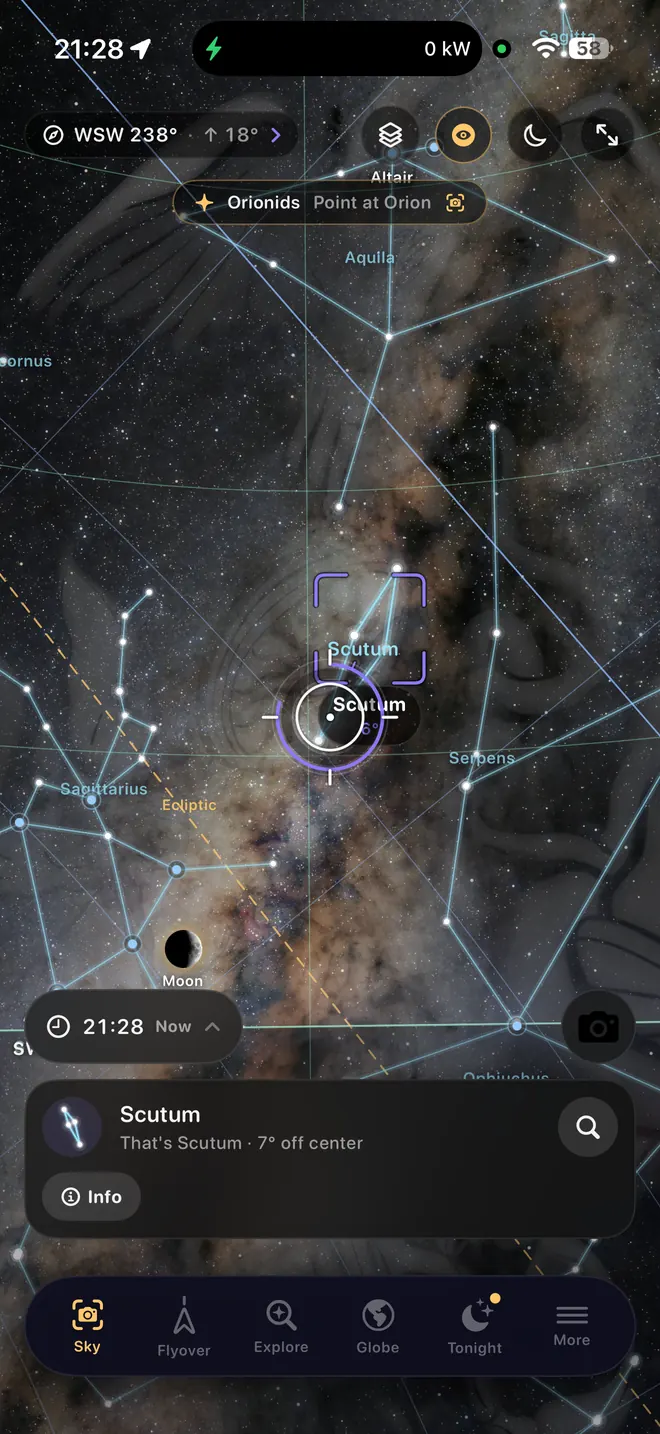
The app’s sky view, with constellation figures drawn over the stars

With the app

Years away, and easy to forget. The app reminds you the day before.

This page tells you when to look. The app tells you again when it matters, and shows you where in your own sky.

  • An alert the day before an eclipse you can see, and another an hour before its deepest moment.
  • Set the sky to the minute of the eclipse and see where the Sun or the Moon will stand, from where you are.
  • An arrow in the camera view that leads you to the Moon, a planet or any star.
  • Meteor showers, oppositions and supermoons in the same calendar.
Download on the App Store

Quick answers

When is the next solar eclipse?

The next solar eclipse is the annular solar eclipse of February 6, 2027. Annular along a path across the Pacific, South America, the Atlantic and Africa; partial over Africa, South America and Antarctica. It is at its greatest at 15:59 UTC.

When is the next total solar eclipse?

On August 2, 2027. Total along a path across the Atlantic, Africa, the Mediterranean, the Red Sea, the Middle East, the Arabian Sea and the Indian Ocean; partial over Africa, Europe, South Asia, Greenland and the Middle East. Totality lasts up to 6 min 25 s.

When is the next annular ("ring of fire") eclipse?

On February 6, 2027. A ring of sunlight is seen along a path across the Pacific, South America, the Atlantic and Africa; partial over Africa, South America and Antarctica. The ring lasts up to 7 min 51 s.

When is the next lunar eclipse?

The next lunar eclipse to show clearly is the partial lunar eclipse of January 12, 2028, deepest at 04:13 UTC. From start to end over South America, North America, Africa, Europe and Greenland; in part over the Red Sea, the Bering Sea and the Caspian Sea.

When is the next total lunar eclipse (blood moon)?

On December 31, 2028. The Moon is wholly inside the Earth’s shadow for 1 h 12 min, from 16:15 to 17:28 UTC. From start to end over Australia, Siberia, East Asia, Southeast Asia and South Asia; in part over Africa, Greenland and New Zealand.

How many eclipses are there from now to 2040?

32 of the Sun and 33 of the Moon, 65 in all. Of the solar eclipses, 9 are total and 10 are annular; of the lunar ones, 12 are total.

Eclipses from your city

Every eclipse a city sees to 2040, with the times on its own clock and what the Sun or the Moon will look like.

United States

Afghanistan

Albania

Algeria

Angola

Armenia

Azerbaijan

Bangladesh

Belarus

Bosnia & Herzegovina

Bulgaria

Burkina Faso

Cambodia

Cameroon

Central African Republic

Congo - Brazzaville

Congo - Kinshasa

Costa Rica

Côte d’Ivoire

Croatia

Cuba

Czechia

Djibouti

Dominican Republic

Ecuador

El Salvador

Eritrea

Estonia

Ethiopia

Georgia

Ghana

Guinea

Guinea-Bissau

Honduras

Hong Kong SAR China

Iran

Jamaica

Jordan

Kazakhstan

Kosovo

Kyrgyzstan

Latvia

Lebanon

Liberia

Libya

Lithuania

Macao SAR China

Madagascar

Malawi

Mali

Mauritania

Moldova

Mongolia

Mozambique

Myanmar (Burma)

Nicaragua

Niger

North Korea

North Macedonia

Oman

Paraguay

Puerto Rico

Qatar

Rwanda

Senegal

Serbia

Sierra Leone

Singapore

Slovakia

Somalia

South Sudan

Sri Lanka

Taiwan

Tajikistan

Togo

Tunisia

Turkmenistan

Uganda

United Arab Emirates

Uruguay

Uzbekistan

Venezuela

Yemen

Zambia

Zimbabwe